服務專線:0800.898.178 info@jnhtech.com.tw







空間生物學專家Akoya Biosciences
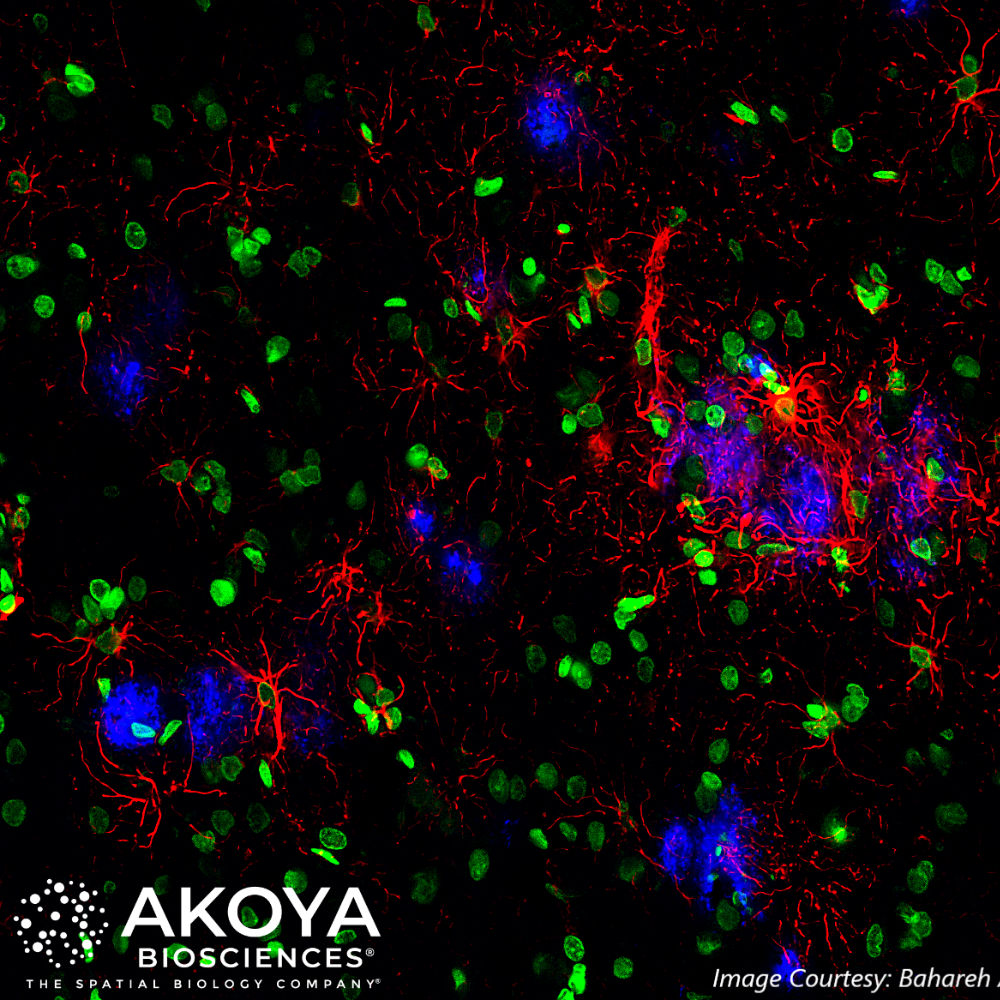
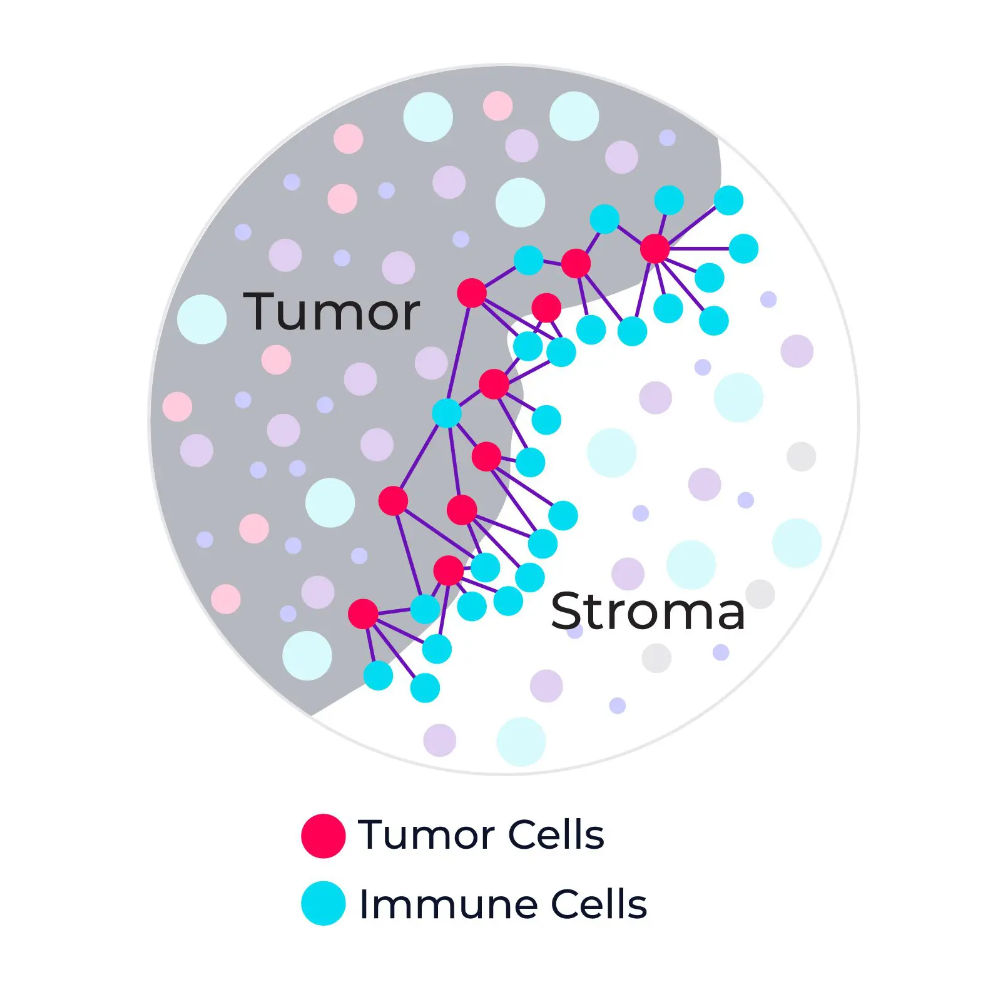
Akoya Biosciences專注於空間生物學,提供組織影像擷取及分析平台,透過單細胞空間表型分析(spatial phenotyping) 爲生物醫學研究和臨床應用研究領域帶來新的突破。Akoya Biosciences的系統可應用於生物醫學研究領域,包括癌症研究、免疫學、細胞生物學等,幫助研究人員在單細胞層面上理解細胞如何在不同組織環境中的相互作用和具體功能。
MoTiF及CODEX專利組織影像成色原理
Akoya Biosciences針對不同應用目的、染色數量及通量提供MoTiF (Multispectral One Touch for Immunofluorescence) 及CODEX (CO-Detection by indEXing) 兩種組織影像成色技術。MoTiF技術源自PerkinElmer,利用OPAL多重螢光染色方式,使研究人員可同時進行高達9種生物標的抗體,操作步驟近似傳統IHC流程,易於標準化,適合發展臨床標準檢測方式。且OPAL多重螢光染色技術具訊號放大功能,便於研究者觀察微量表現之生物標的。
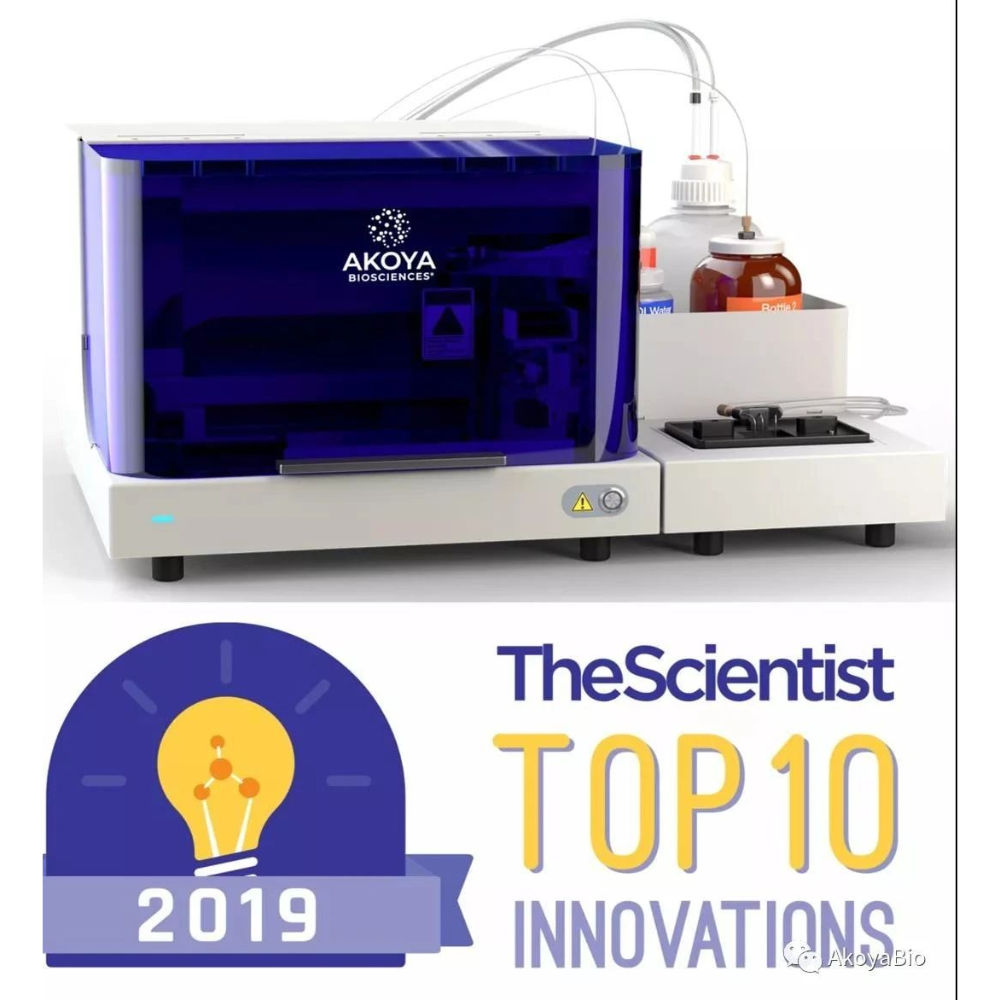
CODEX (CO-Detection by indEXing)技術起源於史丹佛大學 (Stanford University) Garry Nolan實驗室,利用抗體條碼系統,可同時在同片組織切片進行高達百種抗體染色,更完整地解析細胞群資料,以取得到高內涵的資訊,配合軟體進行影像處理,辨識單一細胞後記錄每顆細胞位置及生物標的表現量,根據數據進行自動細胞分群,高維度運算各種細胞群空間結構及互動關係,給予每一群細胞空間分布位置並且計算組織中細胞彼此間相關性,完整探討各種組織微環境。此項技術榮獲2019十大科學發明並有多篇論文應用此技術發表在Cell, Nature 和Science等頂尖期刊。
根據通量及應用選擇平台

歷經Nuance、Vectra、Vectra Polaris及Phenoptics等平台,Akoya Biosciences持續升級其系統,最新一代設備分為PhenoImager HT (PIHT),PhenoImager Fusion (PIF)及PhenoCycler Fusion (PCF)。PhenoImager HT (PIHT)為高通量機款,具單次乘載高達80片樣品並依序自動進行不同MoTiF掃描設定之能力。PhenoImager Fusion (PIF)則為中等通量,可單次承載4片樣品自動進行不同MoTiF掃描設定之能力,並具後續升級成搭載CODEX功能的PhenoCycler Fusion (PCF)。PhenoCycler Fusion (PCF)則實現在同時擁有MoTiF及CODEX偵測技術之平台,可根據實驗欲觀察之標的物數量及通量,選擇不同偵測技術平台,兼具中通量及高內涵之彈性機種。
Akoya Biosciences, The Spatial Biology Company
Akoya’s single-cell imaging solutions phenotype cells with spatial context to visualize how they organize and interact to influence disease progression and treatment response. The PhenoCycler™ (formerly CODEX®) and PhenoImager™ (formerly Phenoptics™) workflows complement each other to provide a comprehensive solution that serves the diverse needs of researchers across discovery, translational and clinical research.
Spatial Biology: Realizing the True Power of Spatial Biology
Spatial biology is a rapidly evolving and dynamic field that utilizes spatial architecture, thelocation, organization, and function of biological molecules within cells and tissues, to understand how they interact and drive various biological functions. Technological advancements and expanding applications to a wide range of research areas including cancer biology, immuno-oncology, neurobiology and more have led to a surge in publications.